
Buy Micro820 PLC Online: Australia’s Guide & Prices 2026
Project deadline tight? Tired of inflated distributor prices for your Allen-Bradley Micro820 PLC? Stop wasting time guessing the right part number or…
Project deadline tight? Tired of inflated distributor prices for your Allen-Bradley Micro820 PLC? Stop wasting time guessing the right part number or…

Stop overpaying for VFDs in Perth. If you’re tired of non-transparent quotes, massive freight charges from the eastern states, and the constant…

Production line at a standstill? Getting a clear quote for an automation project shouldn’t be a headache. When you need urgent and reliable plc…
Production line down? Every second your machinery is offline costs your business. When you urgently need industrial automation components Melbourne…
Production down? Waiting weeks for a critical part? Stop paying inflated prices and dealing with long lead times from authorised distributors. For…
Stop paying inflated distributor prices for Schneider components. End the costly production downtime caused by weeks-long lead times. Finding the…
Trying to find a straight answer on the S7-1200 PLC price Australia is a headache. You’re up against high RRPs from official distributors, vague…
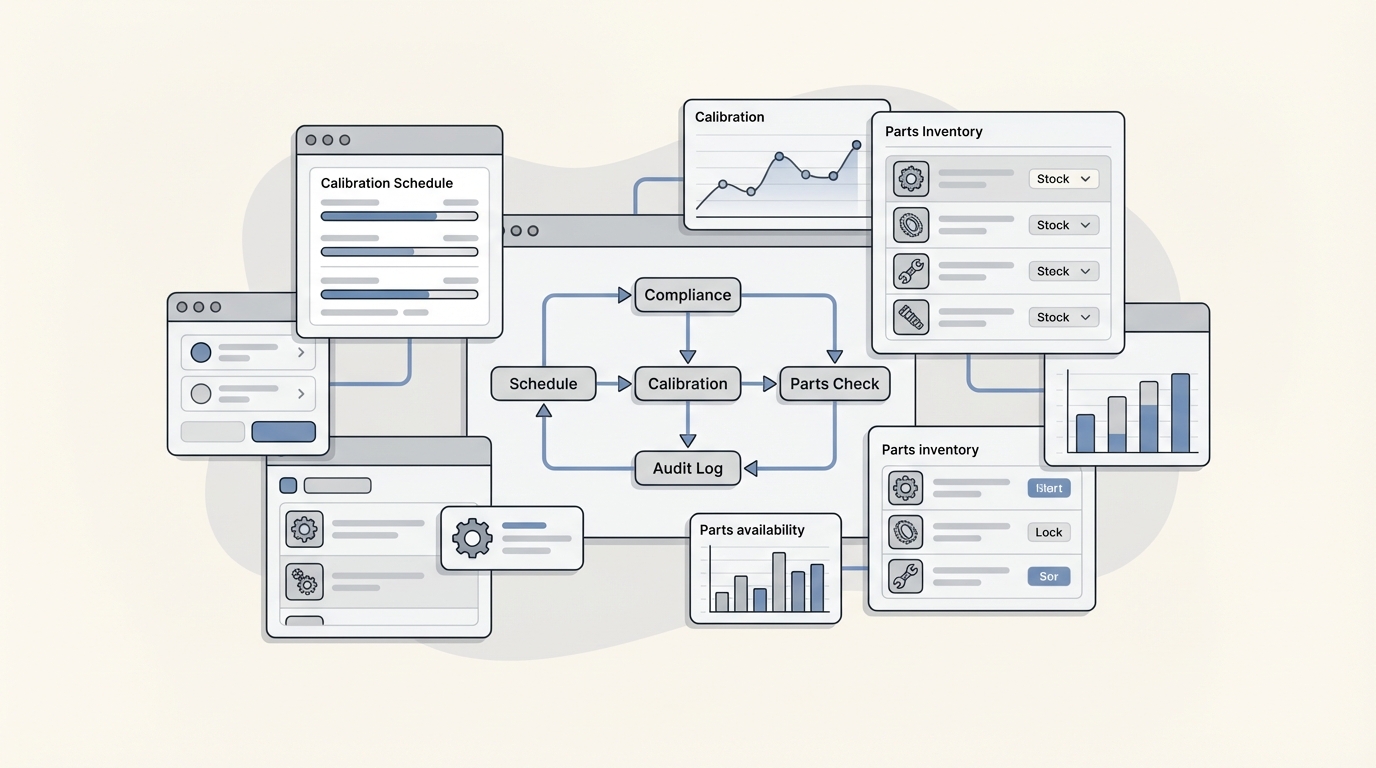
Still tracking instrument calibrations on spreadsheets? If you are, you are not alone. Most maintenance teams start there. It is simple, familiar, and works fine until it doesn’t. The problem is that spreadsheets don’t scale, they don’t alert you when calibrations are due, and they certainly won’t help you during an audit when the auditor asks for traceability records.
Here is the short version: calibration and parts management software is not just about scheduling. It is about linking your calibration program to your spare parts inventory so you are never waiting on a part when a critical instrument needs recalibrating. This guide breaks down what the software actually does, what to look for when choosing a solution, and how to implement it without disrupting your operation.
Let me paint a picture. It is 2 PM on a Tuesday. A process-critical pressure transmitter fails validation. The technician checks the calibration log (a shared Excel file on the network drive) and discovers the instrument was due for recalibration three weeks ago. Nobody got the reminder because the person who set up the conditional formatting left the company six months ago.
This scenario plays out in workshops across Queensland more often than people admit. The real cost of manual tracking is not just the administrative time. It is the unplanned downtime, the compliance risk, and the human error that creeps in when you are managing hundreds of instruments across multiple sites.
In Australia, NATA (National Association of Testing Authorities) accreditation requires demonstrable traceability for calibration activities. ISO 17025 compliance demands documented procedures, records of calibration, and evidence of measurement traceability to national standards. A spreadsheet might get you through an informal check, but it won’t hold up under serious scrutiny.
The parts management gap is another issue. Most calibration solutions track due dates beautifully, but they don’t tell you whether you have the spare seals, transmitters, or reference standards in stock to actually perform the work. That disconnect between calibration scheduling and parts availability is where operations grind to a halt.
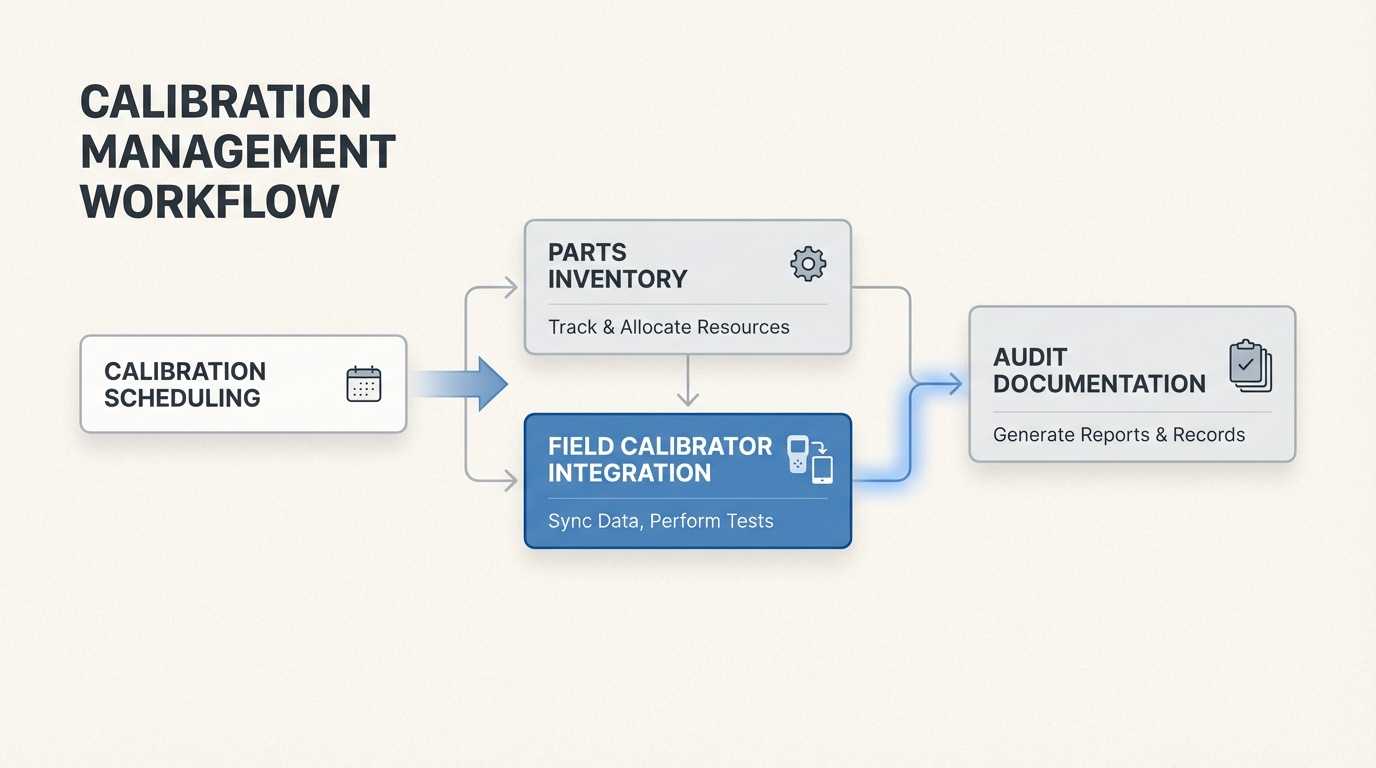
At its core, calibration management software automates the administrative burden of keeping measurement equipment traceable and compliant. But the better systems go further. They integrate calibration scheduling with parts inventory, field calibrator connectivity, and audit-ready documentation.
Here is what the software handles:
Automated calibration scheduling with alerts. The system tracks calibration intervals based on manufacturer specifications or your internal standards. It sends notifications before equipment goes out of tolerance, not after.
Digital calibration certificates and traceability. Every calibration event generates a certificate with as-found and as-left data, reference standard information, and technician signatures. Stored digitally, searchable instantly.
Parts inventory linked to calibration events. When a calibration requires replacement parts (seals, gaskets, reference standards), the system checks stock levels and can trigger reorder alerts. This prevents the all-too-common situation where calibration is scheduled but can’t proceed due to missing parts.
Integration with field calibrators. Systems like Fluke DPCTrack2 and Beamex CMX download calibration procedures to portable calibrators and upload results automatically. No more handwritten notes or manual data entry errors.
Audit trail and compliance documentation. Every change is logged with timestamps and user identification. When the auditor arrives, you generate compliance reports in minutes, not days.
The cloud versus desktop decision matters for Australian conditions. Cloud solutions offer real-time access from any site, automatic updates, and no server maintenance. Desktop software keeps data local, which some organizations prefer for security, and typically involves a one-time purchase rather than ongoing subscriptions. For remote Queensland sites with intermittent connectivity, some cloud platforms offer offline mobile apps that sync when connection is restored.
Choosing the right calibration and parts management software means evaluating features against your specific operational requirements. Here is what matters:
Compliance management. The software must support the standards your operation requires. At minimum, look for ISO 9001 and ISO 17025 support. If you are in pharmaceuticals or medical devices, FDA 21 CFR Part 11 compliance is non-negotiable. Aerospace operations need AS 9100 support. GageList supports all of these standards plus automotive (IATF 16949), oil and gas (API Spec Q1/Q2), and food safety (ISO 22000).
Integration capabilities. Your calibration software should talk to your existing systems. ERP integration (SAP, Oracle) ensures financial traceability. CMMS integration links calibration to broader maintenance activities. Most importantly, field calibrator integration eliminates manual data entry. IndySoft offers RFID integration for asset tracking, while ComplianceQuest integrates with Salesforce for enterprise quality management.
Mobile and offline functionality. For remote sites in the Bowen Basin or Pilbara, mobile access is essential. Technicians need to access calibration records, scan barcodes, and record results from the field. GageList offers free iOS and Android apps with offline capability that syncs when connectivity returns.
Parts management integration. This is where many solutions fall short. Look for systems that link calibration events to spare parts requirements, track van stock for mobile technicians, and integrate with purchasing systems. InstroDirect Servmate specifically targets this gap with integrated stock management and a buyer’s network for sourcing parts quickly.
Reporting and analytics. Beyond basic calibration due reports, look for trend analysis (is this instrument drifting faster than expected?), uncertainty calculations, and customizable dashboards. MasterControl Asset Excellence includes an uncertainty engine for ISO 17025 compliance.
Australian-specific considerations. NATA traceability requirements, local support availability, and data residency (where your data is physically stored) matter for Australian operations. InstroDirect, based in Narangba, Queensland, offers local support and understands Australian industrial conditions.
The calibration software market spans from free cloud-based tools to enterprise QMS-integrated platforms. Here is how the options break down.
GageList offers a genuinely free tier (not a trial) supporting 25 gages and 5 users. Paid plans start at $79 per month (billed annually at $948) for unlimited users and 500 gages. The platform is cloud-based with mobile apps, supports all major compliance standards, and includes features like digital signatures, barcode scanning, and automated scheduling. For small shops transitioning from spreadsheets, it’s hard to beat.
Reftab and Metquay also offer free tiers with solid feature sets. These tools work well for operations with straightforward calibration needs and limited budgets.
Calibration Control by APE Software has been around since 1992 and offers a desktop-based solution with perpetual licensing. Pricing from SoftwareAdvice shows a Terminal Seat at $50 one-time, Per Seat at $768, and Concurrent License at $1,037 (all including 12-month SMA). The software is highly configurable, allowing you to edit form labels, customize grids, and set granular user permissions. For organizations preferring one-time purchases over subscriptions, this is worth considering.
GAGEtrak and ProCalV5 fall into this category as well, offering robust calibration tracking without cloud dependency.
IndySoft serves large organizations with industry-specific solutions for aerospace, automotive, energy, life sciences, manufacturing, and oil and gas. The platform offers global scalability, RFID integration, and 20+ years of development. Pricing requires custom quotes, positioning it for enterprise budgets.
ComplianceQuest builds on the Salesforce platform, offering AI-powered calibration management integrated with broader quality management systems. The calibration module connects seamlessly with document control, training, audits, and corrective actions. Like IndySoft, pricing is custom and targets larger organizations.
MasterControl Asset Excellence focuses on regulated industries with built-in uncertainty calculations and compliance reporting. The platform serves both asset owners and commercial calibration service providers.
Fluke DPCTrack2 integrates directly with Fluke calibrators, priced around $5,658 via distributors like Transcat. Beamex CMX offers similar integration with Beamex hardware. These solutions make sense if you have standardized on specific calibrator brands.
| Software | Type | Pricing | Best For |
|---|---|---|---|
| GageList | Cloud | Free-$399/mo | Small to medium shops, mobile-first |
| Calibration Control | Desktop | $50-$1,037 one-time | Perpetual license preference |
| IndySoft | Enterprise | Custom quote | Multi-site, regulated industries |
| ComplianceQuest | Enterprise | Custom quote | Salesforce users, full QMS |
| InstroDirect Servmate | Cloud | Custom quote | Australian operations, parts integration |
Implementing calibration and parts management software is not just an IT project. It is an operational change that affects technicians, quality managers, and procurement.
Data migration is often the first hurdle. If you are moving from spreadsheets, expect to spend time cleaning data before import. Inconsistent naming conventions, missing calibration dates, and duplicate entries are common issues. Most vendors offer import templates and migration services. GageList provides a Migration Concierge Service for complex data sets.
Validation and qualification requirements apply if you are in a regulated industry. Pharmaceutical and medical device operations need documented evidence that the software performs as intended (IQ/OQ/PQ). This adds time and cost to implementation but is essential for compliance.
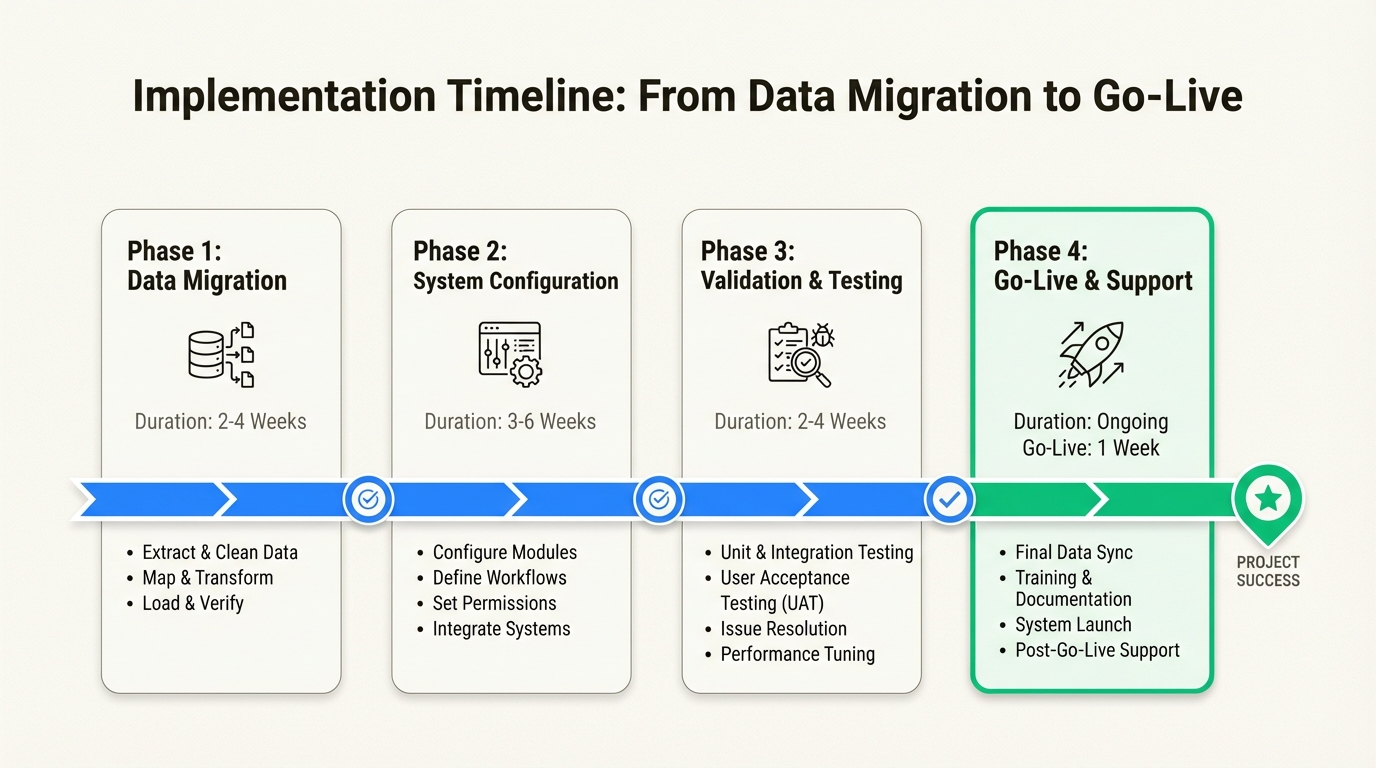
Training and change management determine whether the software actually gets used. The best systems are intuitive, but technicians still need training on workflows, especially if you’re integrating with field calibrators. APE Software offers screen share demos and video tutorials. GageList claims most users need no formal training.
Integration with existing systems should be planned upfront. Connecting to your ERP for financial tracking, CMMS for maintenance coordination, or inventory system for parts management requires technical resources. Cloud platforms with REST APIs (like GageList) make this easier than desktop software.
Total cost of ownership goes beyond license fees. Factor in implementation services, training, validation (for regulated industries), ongoing support, and any required hardware (barcode scanners, label printers). A $768 perpetual license can end up costing more than a $79 monthly subscription when you include these elements.
Australian support matters when things go wrong. Local vendors like InstroDirect offer Queensland-based support that understands local conditions and can respond in Australian business hours.
The right calibration and parts management software depends on your operation’s size, complexity, and regulatory environment. Small shops with straightforward needs can start with free cloud tools like GageList. Operations preferring perpetual licenses and local data control should look at Calibration Control. Enterprises needing integrated quality management should evaluate IndySoft or ComplianceQuest.
The key is matching the solution to your actual requirements, not just buying the most feature-rich option. If you’re primarily managing pressure transmitters and temperature sensors in a single facility, you don’t need a full QMS. If you’re running a multi-site operation with NATA accreditation requirements, a basic spreadsheet replacement won’t cut it.
Need technical advice on calibration management software? Contact us now for a quote today.
A CMMS handles broad maintenance activities across all equipment types. Calibration and parts management software focuses specifically on measurement instruments requiring periodic calibration and links those activities to spare parts inventory. Many organizations use both, with integration between the systems.
Yes, provided the software supports ISO 17025 requirements including measurement traceability, calibration certificate generation, and audit trails. GageList, IndySoft, and ComplianceQuest all explicitly support ISO 17025 compliance.
ROI comes from reduced unplanned downtime (calibrations happen before failures), elimination of manual data entry, faster audit preparation, and reduced parts stockouts. Most organizations see payback within 12-18 months, though this varies with operation size and current manual process efficiency.
Cloud solutions offer real-time access from multiple sites, automatic updates, and lower IT overhead. Desktop solutions provide local data control and perpetual licensing. For remote Queensland sites with connectivity challenges, consider cloud platforms with offline mobile capabilities or desktop solutions with VPN access.
Simple cloud deployments with clean data can be operational in days. Complex enterprise implementations with ERP integration and validation requirements may take 3-6 months. Data migration quality is usually the biggest variable affecting timeline.
Many platforms integrate with specific calibrator brands. Fluke DPCTrack2 works with Fluke calibrators. Beamex CMX integrates with Beamex hardware. Check compatibility with your existing equipment before selecting software.
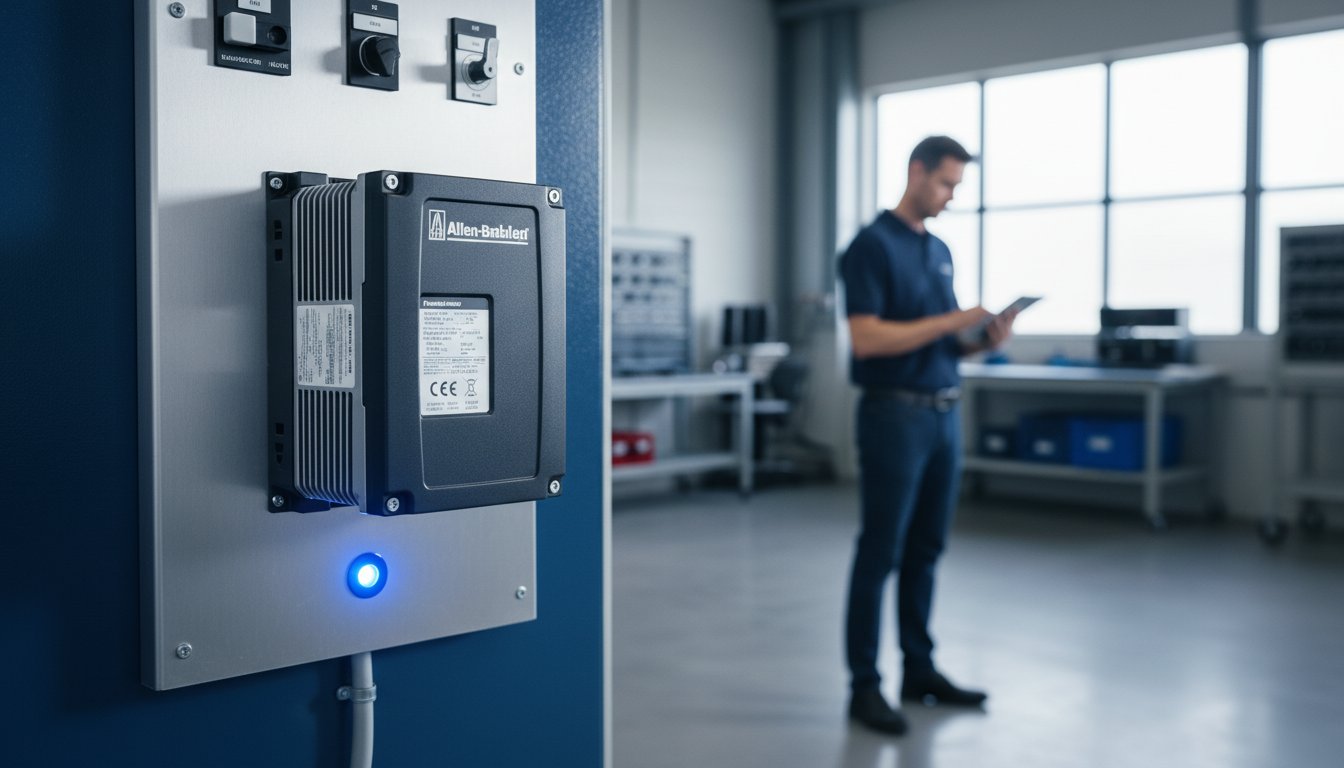
Tired of high distributor prices and long lead times for essential industrial drives? Navigating part numbers, stock availability, and compatibility…

Tired of high prices and long waits from official distributors? Sourcing the right Allen Bradley PLC Australia-wide shouldn’t be a battle against…