
Cost of PLC System for Small Business: 2026 Pricing & Savings Guide
Authorised distributors are charging you a 40% ‘brand tax’ on PLC parts. It’s a markup you don’t have to pay. Getting a straight answer on the cost of a PLC system for small business is nearly impossible. You get opaque quotes, fear of ongoing software fees, and catalogues too complex for a small team. It’s a system designed to make you overpay.
This 2026 pricing guide changes that. Get a direct, no-nonsense breakdown of the real costs in Australia, from a simple A$1,500 starter system to a more advanced A$10,000 setup. We’ll show you which brands offer the best value and how to source genuine Allen Bradley, Siemens, and Schneider parts to SAVE OVER 40% from the manufacturer’s RRP. Stop guessing and start saving. This guide breaks down the hardware, exposes the software traps, and gives you the strategy to get the system you need at a price that makes sense.
Key Takeaways
- Discover the realistic budget for a small business PLC in Australia, from basic micro systems under A$500 to more advanced modular setups.
- Uncover the true cost of a plc system for small business by factoring in hardware, 2026 software subscription models, and other hidden operational expenses.
- Compare major brands like Allen-Bradley, Siemens, and Schneider Electric to find the most cost-effective hardware for your specific I/O requirements.
- Learn how to save over 40% on genuine PLC parts by bypassing traditional distributor markups through the parallel import model.
What is the Realistic Cost of a PLC System for a Small Business?
Let’s get straight to the numbers. The realistic cost of a plc system for a small business in Australia typically falls between A$500 and A$5,000. This isn’t just one piece of equipment; it’s a complete solution. For small-scale operations, a Programmable Logic Controller (PLC) system is a compact controller managing fewer than 50 input/output (I/O) points for localized automation. It’s the brain for your machine.
Your final invoice depends on the balance of three core pillars:
- Hardware: The physical PLC, I/O modules, power supply, and HMI.
- Software: The programming environment license (some are free, some are not).
- Integration: The labour cost for programming, wiring, and commissioning.
The biggest price difference comes from choosing a “Micro” system versus a “Modular” one. Micro PLCs are all-in-one units, great for simple tasks and keeping costs down. Modular PLCs let you add capabilities with expansion cards, offering more flexibility for future growth but at a higher initial price point. Your application dictates the choice.
Entry-Level vs. Mid-Range Small Business Setups
If you’re automating a single, standalone machine-like a gate controller or a simple conveyor-you’re looking at an entry-level setup. Budgeting for a robust micro-PLC like an Allen-Bradley Micro820 or a Siemens LOGO! puts your core hardware cost between A$400 and A$900. These are perfect for simple logic control where you just need reliability.
Small production lines demand more. Once you add a basic Human-Machine Interface (HMI) for operator control, like a PanelView Component terminal, and a few networked I/O blocks to handle more sensors, the cost climbs. A system like this quickly moves into the A$2,500 to A$4,500 range. The critical point for 2026 budgeting is that component pricing has stabilized after the extreme supply chain disruptions of 2022-2023, where lead times for some processors exceeded 52 weeks.
The “Invisible” Costs of Industrial Automation
The price on the quote is not your final cost. You must factor in the Total Cost of Ownership (TCO). Saving 30% on a used PLC from an unverified source is a massive risk. We’ve seen a single day of unscheduled downtime cost a small workshop over A$10,000 in lost production and emergency call-out fees. That initial “deal” becomes your most expensive mistake. Using genuine, reliable parts is cheaper in the long run. ALWAYS.
This principle extends beyond the factory floor—for businesses relying on transport, having dependable vehicle maintenance is just as crucial. For example, a specialized service for commercial diesel repair Utah County can be as vital to a logistics company as a reliable PLC is to a manufacturer, illustrating the universal importance of expert support to prevent costly delays.
The most commonly forgotten cost is the panel itself. Always add 20% to your hardware budget for the electrical cabinet, DIN rail, terminal blocks, wiring, and conduit. For a A$3,000 hardware bill, that’s an extra A$600 that often gets missed in initial planning. Don’t let it catch you by surprise. It’s the difference between a professional installation and a project failure.
Hardware Components: Comparing Price Points of Major Brands
The hardware you choose is the single biggest factor driving the initial cost of plc system for small business. While dozens of brands exist, the Australian market is dominated by three major players: Rockwell Automation (Allen-Bradley), Siemens, and Schneider Electric. Your choice here impacts not just the upfront invoice, but also programming complexity, availability of local support, and future expansion costs.
A smart decision isn’t about the cheapest box. It’s about the best value over the system’s life. Let’s break down the real numbers.
Rockwell Automation (Allen-Bradley) Small Biz Options
For Australian small businesses, the Allen-Bradley Micro800 series is the undisputed sweet spot. The Micro820 and Micro850 controllers offer the best balance of price, power, and scalability. Base units for a Micro820 (with 20 I/O points) typically start around A$350, while the more powerful Micro850 can range from A$500 to A$800. The key advantage is the free Connected Components Workbench (CCW) software, eliminating a major software licensing cost that plagues larger systems. Expansion plug-in modules for extra I/O or communication ports are affordable, usually between A$100-A$250. This makes the Micro800 series a top choice for cost-conscious techs who need reliable gear without the enterprise-level price tag. For immediate Australian delivery, check our stock of Rockwell Automation PLCs.
Breaking down the cost per I/O point reveals the value proposition. A base Micro820 with 20 built-in I/O points at A$350 works out to just A$17.50 per point. Adding a 16-point input module for A$180 drops the cost for those additional points to A$11.25 each. This granular scalability is critical for keeping initial project costs low. Another major cost factor is communication. Choosing an Ethernet-ready controller like the Micro820 over an older serial-only unit is non-negotiable. The A$150 you might save on a serial PLC will be instantly wiped out by the A$400+ cost of an Ethernet gateway needed to connect to modern networks.
Siemens and Schneider: Alternatives in the Australian Market
Siemens offers a strong alternative with its SIMATIC S7-1200 series. It’s a robust and reliable platform, especially common on machinery imported from Europe. A basic S7-1200 CPU with a similar I/O count to a Micro820 will often cost more upfront, typically starting in the A$450-A$600 range. While the TIA Portal Basic software is also free, the hardware generally carries a 15-25% premium over comparable Allen-Bradley micro PLCs.
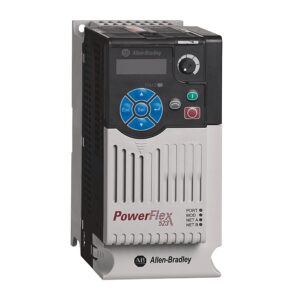
Schneider Electric’s Modicon PLCs (like the M221 or M241) and Altivar drives present another value-oriented choice. They are known for competitive pricing, particularly when purchased as a package for a machine. However, interoperability can become a hidden expense. Mixing brands to save a few dollars can backfire. For example, saving A$100 on a Schneider PLC that needs to control a Rockwell PowerFlex drive could cost you A$300 in a programmer’s time just to establish communication. This focus on total cost, not just sticker price, is backed by extensive manufacturing cost savings data, which shows that strategic tech integration delivers the best long-term ROI. Sticking to a single brand’s ecosystem often reduces the total cost of plc system for small business by simplifying integration and maintenance. If you’re weighing the options and need a direct price comparison, contact our team for a quote.

Factoring in Software, Subscriptions, and Hidden Operational Costs
The PLC hardware is just the down payment. The true cost of a plc system for small business is often buried in software licenses, annual fees, and the labour required to make it all work. By 2026, industry analysts predict over 60% of new industrial automation software will be sold as a “Software as a Service” (SaaS) subscription. This changes everything for your budget. Forget one-time purchases; think recurring annual costs.
It’s a critical calculation. Be warned: poorly planned software licensing can easily cost more than the PLC hardware itself. You must account for these ongoing expenses from day one.
The Rise of Subscription-Based Licensing
Major vendors like Rockwell Automation (Studio 5000) and Siemens (TIA Portal) are aggressively shifting customers to subscription models. Instead of a single perpetual license for thousands of dollars, you now face an annual fee, often ranging from A$800 to A$3,500+ per seat, per year. For a small plant, this creates a predictable but permanent line item in the yearly operational budget. It’s no longer a capital expense you can depreciate over five years.
Watch for hidden costs. Firmware updates for your PLC might be locked behind an active subscription or a separate technical support contract, which can add another A$500 to A$1,500 annually. Without it, you’re cut off from critical security patches and feature updates.
Want to cut software costs? For smaller applications, you can get professional software for free. Allen-Bradley’s Connected Components Workbench (CCW) software for their Micro800 series PLCs is a full-featured development environment with a A$0 price tag. It’s a smart way to get started without the massive initial software outlay.
Programming and Integration Labour Costs
Getting the system running is a major expense. You have two paths: DIY programming or hiring a professional systems integrator. Going DIY saves money upfront if you have the time and in-house skill, but mistakes can lead to expensive downtime. Hiring a local Australian integrator is faster and more reliable, but it comes at a price.
Here’s what to budget for labour:
- Integrator Rates: Expect to pay between A$120 and A$190 per hour for an experienced PLC programmer in Queensland, with rates in Sydney and Melbourne often hitting the A$200/hr mark for specialised skills.
- Project Minimums: A simple integration project for a small machine could take 15-25 hours, translating to a A$2,000 – A$5,000 labour bill on top of hardware.
To control the long-term operational cost of a plc system for small business, standardize your plant on one brand. Sticking with Allen-Bradley or Siemens means your team only needs to learn one software environment. This drastically reduces training time, support calls, and the number of expensive software licenses you need to maintain. It’s the single best strategy to keep your operational costs in check.
Strategic Cost Saving: Why Small Businesses Choose Parallel Imports
For any small operation, the total cost of a PLC system for small business can be a major barrier. Manufacturer-recommended retail prices (RRP) often seem designed for enterprise budgets, not for workshops, farms, or small production lines. This is where a smarter sourcing strategy comes in. Parallel importing isn’t about cutting corners; it’s about cutting out the expensive middleman.
The model is simple. We source 100% genuine, factory-sealed automation hardware from legitimate global suppliers who have surplus stock. These are the exact same Allen-Bradley, Siemens, or Schneider parts you’d get from an authorised channel, but without the inflated price tag. By bypassing the traditional distribution network, InstroDirect delivers direct savings of OVER 40% FROM MANUFACTURER RRP. It’s the single most effective way to reduce your automation budget without compromising on quality.
Authorized Distributors vs. Direct Importers
Authorized channels in Australia are tied to rigid pricing structures and high overheads. They pay for extensive marketing programs, large sales teams, and multi-level corporate structures, costs which are passed directly to you. In contrast, a direct importer operates on a leaner model. We buy smart and pass the savings on. Another critical factor is speed. An official distributor might quote you a 6-10 week lead time from an overseas factory. We hold stock locally in our Narangba, QLD warehouse, ready for immediate dispatch. That’s the difference between your machine running this week versus next quarter.
Finally, there’s price transparency. Many suppliers hide behind a “Request a Quote” button, slowing down your procurement process. Small businesses need to see prices upfront to manage cash flow and make fast decisions. We list our prices online for this very reason.
Ensuring Genuineness and Support
A common myth is that lower prices mean lower quality. This is false. Every piece of Rockwell and Siemens hardware we sell is 100% genuine, new, and in its original factory packaging. We simply provide a more efficient path from the factory to your facility. This model mitigates the huge risks associated with unverified marketplaces like eBay, where parts are often used, refurbished without certification, or outright counterfeit. Your production line is too valuable to gamble on questionable hardware.
This direct approach to buying industrial automation parts is backed by real, local support. If you have a question or need to verify a part number, you can call us and speak to an expert during Australian business hours. That’s a level of service and accountability you won’t get from an anonymous overseas seller. The combination of price, availability, and local support makes the choice clear for budget-conscious businesses looking to manage the cost of a PLC system for small business effectively.
Don’t pay inflated prices for essential PLC components. Check our live inventory and see the direct savings today.
Building Your Budget-Friendly PLC System with InstroDirect
Understanding the components is one thing; sourcing them without overpaying is the real challenge. The total cost of plc system for small business operations can be significantly reduced by sourcing smart. InstroDirect leverages a parallel importing model, giving you direct access to genuine automation hardware at prices that bypass traditional distributor markups. Here’s how you can build your system directly with us.
Sourcing your first PLC system online is a straightforward process:
- Assess Your Needs: List your exact requirements. How many sensors do you need to monitor (inputs)? How many motors or valves do you need to control (outputs)? Do you need variable speed control?
- Browse Core Components: Start with the essentials. Navigate our categories for PLCs, VFDs, and I/O modules. Filter by brand or series to find exactly what you need.
- Get Expert Confirmation: Before you buy, download the technical data sheets available on each product page. If you have questions, our team can provide expert advice to confirm compatibility.
- Can’t Find It? Ring Us: If a specific part, cable, or accessory isn’t listed, don’t stop there. Our sourcing service specialises in locating rare and specific components. We are here to help you find it.
Selecting Your Core Hardware
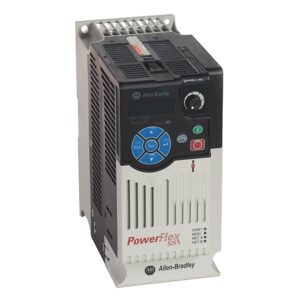
For most small-scale automation, start with a reliable CPU. The Allen-Bradley Micro820 controller is an ideal anchor. It offers built-in Ethernet/IP for easy networking and a compact form factor, all at a price point under A$350. Next, integrate motor control with PowerFlex drives. We offer PowerFlex 525 and 4M series VFDs at heavily discounted rates. Finally, select your I/O modules based on your assessment. If your process requires monitoring four temperature sensors and controlling two pumps, you simply add the corresponding analog input and digital output modules to your cart.
Finalizing the Transaction and Support
Our online checkout is fast and secure. Once your order is placed, it’s dispatched quickly from our warehouse in Narangba, QLD. This local presence means no long waits for international shipping. And to further reduce the final cost of plc system for small business owners, we offer FREE SHIPPING on all Australian orders. It’s that simple. No hidden fees, no complex shipping calculations. Just the best prices on the hardware you need, delivered directly to your workshop or factory floor. InstroDirect is your pragmatic partner for Australian automation. We provide the parts, you build the future.
Get the best deals on genuine automation hardware. Lower your project costs and improve your efficiency today.
Slash Your PLC System Costs and Boost Your Bottom Line
You don’t need a massive budget to automate. The key is understanding that the total cost of plc system for small business goes beyond initial hardware; it includes software, subscriptions, and operational fees. The most powerful strategy for Australian businesses is clear: parallel importing gives you access to genuine hardware from major brands like Siemens and Rockwell Automation without the huge retail markups.
At InstroDirect, we make this strategy a reality. We deliver authentic PLC components directly, cutting out the middlemen to reduce your expenses. You get the exact parts you need backed by our expert support team and free shipping on all orders. It’s the most direct way to build a powerful, budget-friendly automation system that drives growth.
SAVE OVER 40% ON GENUINE PLC HARDWARE – SHOP NOW
Can’t find what you’re looking for? Call our experts directly at 07 3106 3333 for immediate assistance.
Frequently Asked Questions
How much does a basic PLC cost for a small business in 2026?
A basic PLC for a small business in 2026 is projected to cost between A$250 and A$800 for the hardware alone. This price covers a micro PLC, like a Siemens LOGO! or Allen-Bradley Micro820, suitable for simple tasks with 10-20 I/O points. The final price depends on the exact model and supplier. Sourcing through a parallel importer can often reduce this initial hardware cost by 20-30% compared to the manufacturer’s local RRP in Australia.
Is there a PLC software that is free for small business use?
Yes, several major manufacturers offer free versions of their programming software, which are ideal for small businesses. Rockwell Automation provides Connected Components Workbench (CCW) for its Micro800 series at no cost. Similarly, Siemens offers a free version of TIA Portal for its S7-1200 PLCs. These free editions are fully functional for smaller projects and are a great way to lower the total cost of a plc system for small business.
What is the difference between a micro PLC and a modular PLC in terms of cost?
A micro PLC is much cheaper upfront, typically costing A$250 to A$800, while a basic modular PLC system starts around A$1,500. Micro PLCs are all-in-one units with fixed I/O, making them cost-effective for defined tasks. Modular PLCs have a separate CPU, power supply, and I/O cards. While the initial investment is 2-3 times higher, they offer scalability for future expansion, which can be more economical for growing operations in the long run.
Can I save money by buying parallel imported PLC parts in Australia?
Yes, you can achieve significant savings, often between 20-40%, by purchasing parallel imported PLC parts in Australia. Parallel importers like InstroDirect source genuine, factory-sealed products from overseas distributors where prices are lower, bypassing high local markups. For example, a specific Allen-Bradley module that costs A$1,000 from a local authorised dealer might be available for A$650 through us. It’s a direct way to cut project costs.
How much should I budget for PLC programming and installation?
You should budget between A$1,500 and A$5,000 for professional PLC programming and installation on a small-scale project. This covers the labour for a qualified systems integrator, with typical Australian rates from A$120 to A$200 per hour. A simple project needing 10-20 hours for setup, coding, and commissioning fits this price range. More complex logic or HMI integration will increase the cost towards the A$5,000 mark.
Are Siemens PLCs cheaper than Allen-Bradley for small projects?
Yes, for small projects, Siemens hardware is generally 10-25% cheaper than comparable Allen-Bradley equipment in Australia. A Siemens S7-1200 starter kit is often more affordable than an Allen-Bradley Micro850 kit with a similar I/O count. While the hardware is cheaper, you should also consider your programmer’s experience, as engineering time can offset savings. For new installs, Siemens often has a lower upfront cost.
What are the ongoing maintenance costs of a PLC system?
Ongoing maintenance costs for a small PLC system are minimal, usually under A$300 per year. PLCs are highly reliable solid-state devices. The main costs are for potential battery replacements for memory backup (around A$50 every 3-5 years) and emergency technician call-outs for troubleshooting, which could be A$300-A$500 per incident. The overall lifetime cost of a plc system for small business is very low after the initial setup.
Does InstroDirect provide a warranty on parallel imported PLCs?
Yes, InstroDirect provides our own 12-month, back-to-base warranty on all new parallel imported PLC products we sell. Because we aren’t an authorised distributor, the manufacturer’s local warranty may not apply. To ensure you’re covered, we back the products directly. If a product is faulty within 12 months, return it to us for a replacement or repair. You get massive savings without taking on all the risk.
Related posts
Siemens TIA Portal Programming Basics: A Practical Guide for Engineers
What if you could master Siemens TIA Portal without paying the full “Australia tax” on S7 hardware?
It’s a common problem for Australian engineers….
Emergency Industrial Parts Supplier: Reducing Downtime in 2026
That 12-week lead time from your authorised distributor isn’t just an inconvenience. For a production line losing A$10,000 an hour, it’s a potential…
PLC vs DCS — What Is the Difference?
Programmable Logic Controllers (PLCs) and Distributed Control Systems (DCS) are both used to automate industrial processes, but they evolved from
Siemens TIA Portal Introduction Guide for Australian Engineers
Siemens TIA Portal (Totally Integrated Automation Portal) is the unified engineering software platform for Siemens S7 PLCs, HMIs and drives.
PLC vs DCS — What Is the Difference?
Programmable Logic Controllers (PLCs) and Distributed Control Systems (DCS) are both used to automate industrial processes, but they evolved from
Leave a Comment
Your email address will not be published. Required fields are marked *